

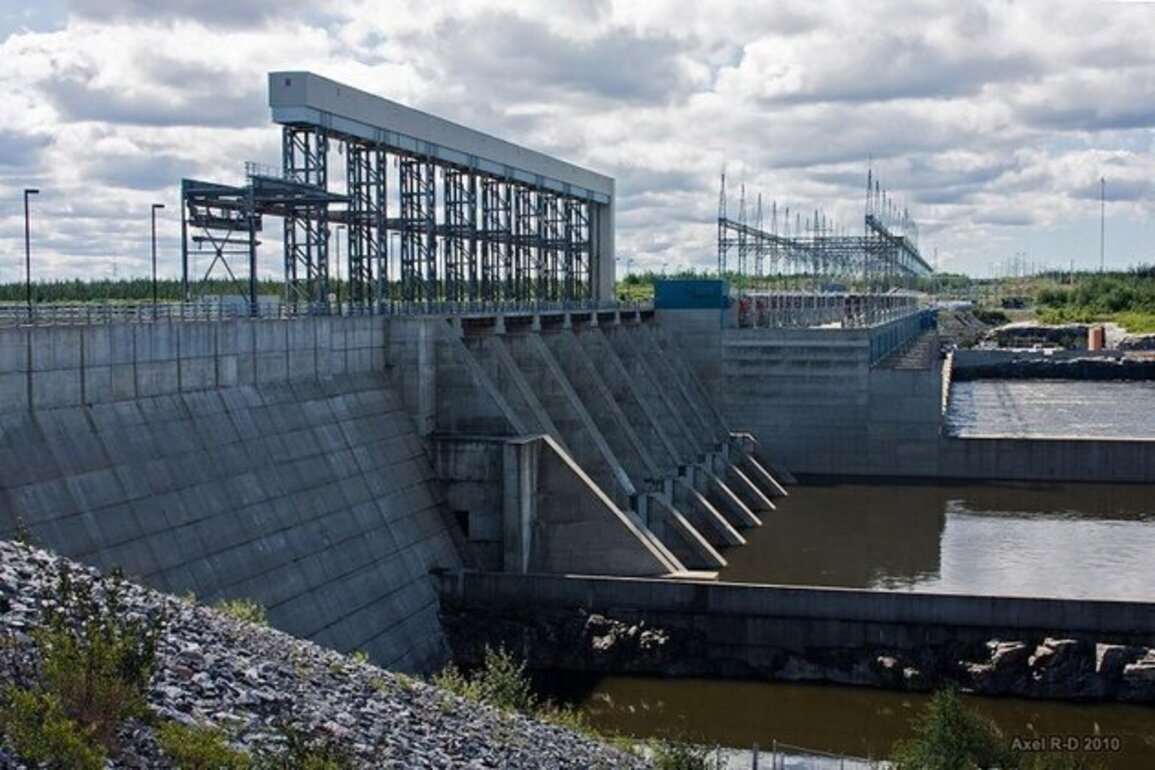
Winter cold put a new, billion-dollar transmission line to New England through an early stress test, with Quebec holding back exports after an exceptional storm drove higher electricity demand on both ends of the cable.
The New England Clean Energy Connect (NECEC) transmission project, commissioned by Massachusetts to import hydropower from Quebec, came online Jan. 16, after nearly a decade of delays. But just a week later, when an Arctic blast sent electricity demand spiking north and south of the Canada-U.S. border, Hydro-Quebec temporarily curtailed exports to New England to meet the challenge closer to home.
But the Quebec utility says it still met its contractual obligations.
"Exceptional weather events, such as the extreme and prolonged cold wave that affected Quebec, can create operating conditions that may require temporary curtailments," Lynn St-Laurent, senior communications advisor for Hydro-Quebec, told The Energy Mix. "Contract terms provide for flexibility during extreme conditions."
St-Laurent added that HydroQuebec is taking steps to increase its electricity supplies as part of a long-term plan to meet domestic and export market needs. This includes investing $10 billion in energy efficiency and expanding clean energy capacity over the next 10 years.
The Canadian Press reported during the cold snap that the Massachusetts Executive Office of Energy and Environmental Affairs was aware of "historic constraints" Hydro-Quebec faced during the extreme cold. Spokesperson Maria Hardiman said the agency had been in touch with Hydro-Quebec and knew "they are working to resume full delivery of power as quickly as possible," and that Quebec continued to supply electricity at various times during those days.
But the curtailment raised some concern about the NECEC's place in the state's energy supply mix.
"A lot of the issues and concerns that we have been talking about for years played out" that weekend, Dan Dolan, lead at the New England Power Generators Association, told Politico. "This is a very expensive contract for a product that predominantly comes in non-stressed periods in the winter."
The Association had contested NECEC's long-term fixed contract with Massachusetts utilities.
"The issue overall is there is no silver bullet, no single answer that will stabilize the system," Dolan said. "This is a tight market; whether it is offshore wind or natural gas or increased imports, having more flexibility on the system can create more reliability and stability overall."
Correction: An earlier version of this post cited low reservoir levels as a complicating factor during the winter; Hydro-Quebec later clarified that reservoir levels were not a factor.
Source: The Energy Mix