

Plans for a nuclear waste storage site along the Ottawa River are stalled after the Federal Court of Canada sided with Kebaowek First Nation in two separate legal challenges over inadequate consultation and impacts on endangered species.
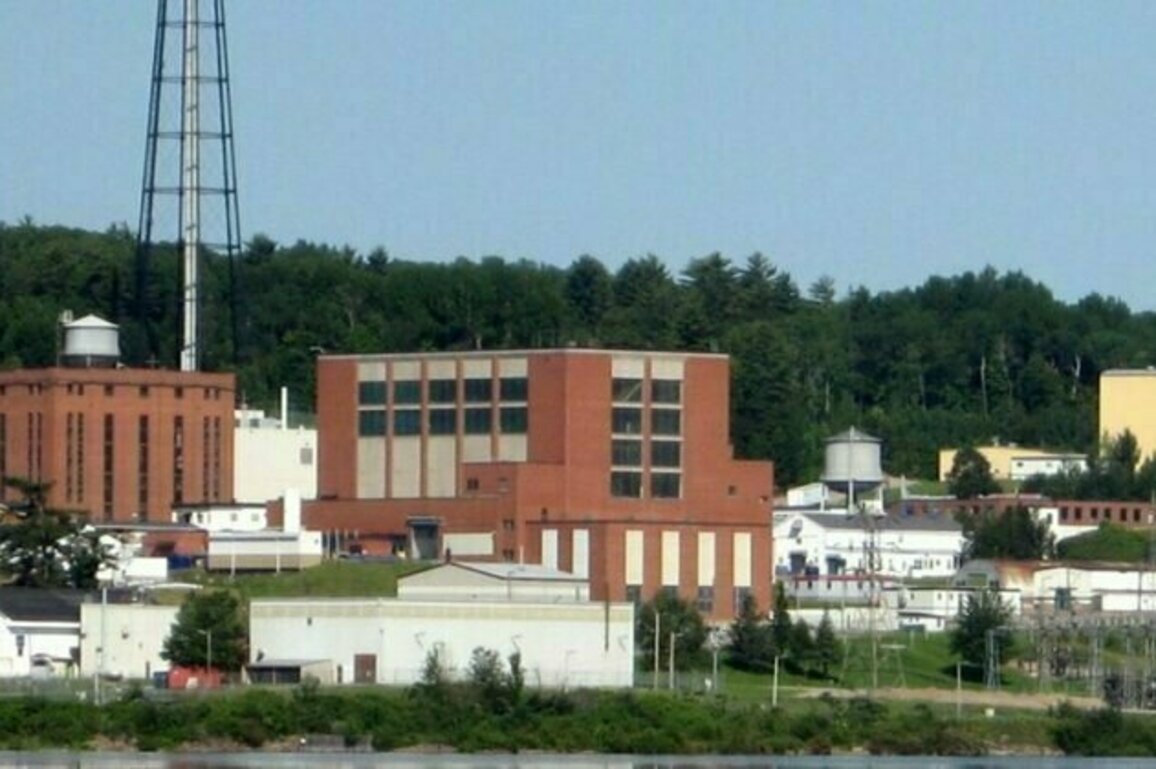
In mid-March, Justice Russel Zinn ruled in favour of the First Nation, agreeing that the Chalk River nuclear waste dump-planned one kilometre from the Ottawa River at the site of Chalk River Laboratories-would be a threat to the endangered Blanding's Turtle and two bat species, reported CBC News.
The ruling contradicts earlier findings by the Canadian Nuclear Safety Commission (CNSC) that the facility "is not likely to cause significant adverse environmental effects." It requires the environment minister to reconsider the species-at-risk permit issued by the government and determine if there are other viable locations that would have fewer impacts on wildlife, reports the Globe and Mail.
A previous judicial review, partially granted in February, found the CNSC had failed to meet consultation standards under the United Nations Declaration on the Rights of Indigenous Peoples (UNDRIP), APTN News reported.
"The decision confirms what we have been saying all along-consultation must be more than a checkbox exercise," said Kebaowek Chief Lance Haymond. "It must be real, meaningful, and grounded in the principles of free, prior, and informed consent."
Kebaowek First Nation is one of 10 First Nations in Quebec and Ontario that oppose the radioactive waste facility, which would hold up to one million cubic metres of low-level nuclear waste, writes the Globe. Preparations for the site are now on hold pending further consultations.
A separate plan for a deep geological repository (DGR) to store nuclear waste near Revell Lake in Northwestern Ontario is also facing opposition from First Nations that say they have not been consulted, even though they will be affected by the outcome. Wabigoon Lake Ojibway Nation and the municipality of Ignace were selected as host communities in a process the Nuclear Waste Management Organization (NWMO) said "was driven by a consent-based siting process led by Canadians and Indigenous peoples."
But Wabigoon said it has not given full consent to the project as required by UNDRIP-and has only agreed to continue participating in the site selection process.
The site is surrounded by the two hosts, but Eagle Lake First Nation and other nearby communities have argued that they will also be affected by the DGR. Eagle Lake says that since the area falls within its treaty rights, the community should be given the opportunity to provide or withhold consent. The Assembly of First Nations said [pdf] consent for the project should be obtained "from all impacted First Nations."
In a post for Policy Options, Elysia Petrone, a lawyer and community organizer from Fort William First Nation, and Warren Bernauer, an assistant professor in the University of Manitoba' Department of Environment and Geography, cite Kebaowek's recent court success against the Chalk River project to urge that the UNDRIP "must be used to interpret the duty to consult," adding that CNSC "erred in law by failing to do so."
"The federal government should therefore fulfil its duty to consult First Nations regarding the disposal of high-level nuclear waste in northwestern Ontario," they write.
Source: The Energy Mix